About the Light Straw Clay Collaborative

Rooted in 30+ years of research and development, we are optimizing an ancient building technology and formalizing the knowledge of natural building into a mainstream paradigm for low-rise construction.

Our Origins

The Light Straw Clay Collaborative grew out of necessity. Despite the clear benefits of LSC — non-toxic, mold-resistant, fire-resistant, and low embodied carbon — the lack of formal, code-recognized testing has bottlenecked its widespread adoption in low-rise buildings.

We stand on the shoulders of giants. Our lineage includes over 30 years of research by Design Coalition, U.S. Forest Service Research, Development at the University of Wisconsin, and 30+ years of award-winning design and workshops by Econest Architecture. Hundreds of LSC buildings exist in the US today, and interviews with dozens of homeowners and builders show universal satisfaction of homes after 20+ years of living in them.

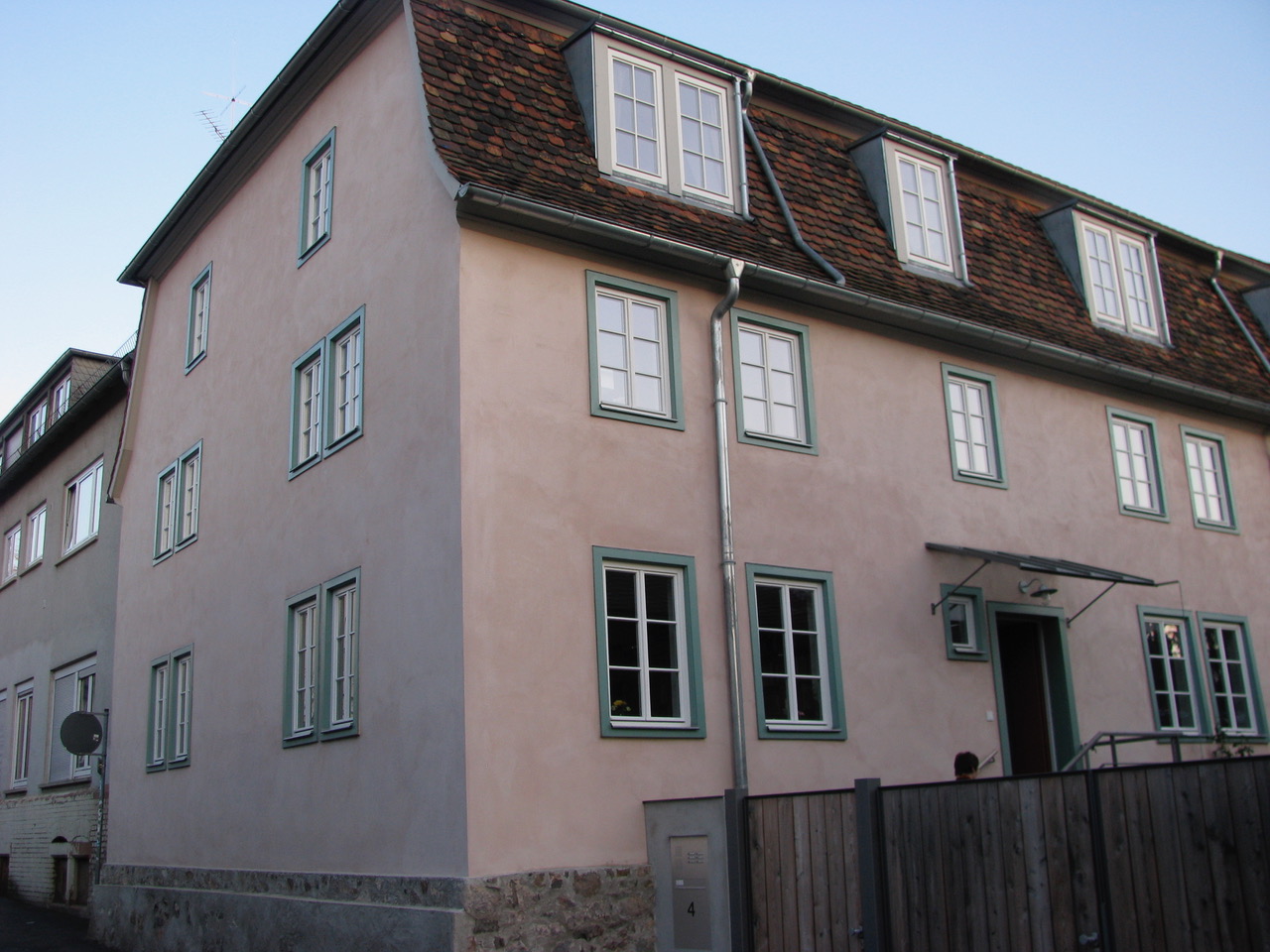
Globally, the proof is undeniable: LSC structures over 700 years old in Germany are still inhabited today. And interviews with dozens of homeowners and builders show universal satisfaction of homes after 20+ years of living in them.

Mission

Advance LSC through research, development, and certified testing to establish reliable, regionally calibrated specifications for mainstream use.

How Light Straw Clay Came to the United States

Clay-coated straw as a building material spans millennia and multiple continents. Its modern revival began in Germany in the 1990s and quickly branched into two distinct American traditions — both of which shaped how LSC is built and taught today.

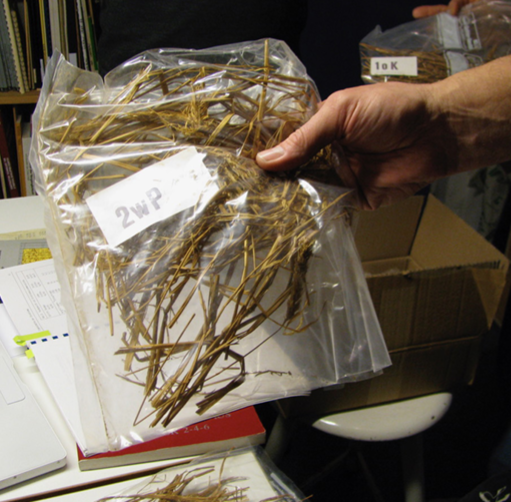
700-year-old clay-coated straw preserved intact
700-year-old clay-coated straw, still perfectly intact — found during a German building restoration
400-year-old LSC building in Germany
A 400-year-old light straw clay building in Germany, still inhabited today
EraRegionMilestone
AncientGlobalClay-coated straw has been used as a wall insulation material for thousands of years across Europe, the Middle East, and North Africa. The clay coating preserves the straw, deters insects, regulates humidity, and provides fire and mold resistance.
1990sGermanyGerman architectural historian Franz Volhardt, restoring a 700-year-old building, discovers perfectly intact straw inside the walls. Recognizing the material's durability, he modernizes the installation process and conducts the first formal R-value tests — launching the contemporary LSC movement.
1990sMidwest
Madison, WI
American architect Lou Host-Jablonski travels to Germany to investigate LSC with scientist Doug Piltigsrud and others. Back in the US, Lou couples LSC with 2×6 advanced framing to minimize lumber use, conducts rigorous thermal testing at the US Forest Lab, and begins teaching the technique to Native American communities as an affordable, high-performance building method.
1990sSouthwest
Santa Fe, NM
Master timber framer Robert LaPorte also travels to Germany to study LSC. After meeting architect Paula Baker-LaPorte — whose chemical sensitivities led her to specialize in non-toxic materials — at a Building Biology gathering, the two settle in New Mexico and found Econest. Their design-build firm develops an innovative model in which students pay to work on commissioned homes for 1–3 weeks, learning both LSC construction and timber framing on the job. This program teaches hundreds of builders across the US and becomes the longest-running LSC school in the country. Robert & Paula Laporte are advisors to LSCC.
2000sNorthwest
Portland, OR
Lydia Doleman, after attending an Econest seminar, begins building with LSC in Oregon and establishes herself as a regional authority on the material and its application in the Pacific Northwest climate.
2010sNationalLou, Robert, Paula, Doug Piltigsrud, Martin Hammer, and others collaborate to draft the official building code definition for LSC. Their work is adopted into the 2015 International Residential Code as IRC Appendix AR — a landmark step toward mainstream code acceptance.
2020sNorthwestPlacecraft begins experimenting with prefabricated LSC panels, exploring ways to industrialize production and bring LSC construction within reach of conventional building timelines. Zafiro Papastratakos begins traveling across the U.S. to document existing LSC buildings as precedent studies for Lou Host-Jablonski’s reference book and develops the Light Straw Clay Collaborative in response to the need for a professional organization to support this incredible community of practitioners. Threshold Builds explores the potential of developing a regenerative neighborhood built of LSC.

Core Team

Portrait of Zafiro Papastratakos

Zafiro Papastratakos

President

With 20 years of experience in sustainable architecture and planning, Zafiro leads the Collaborative’s testing initiatives and organizational strategy. She documents extant LSC buildings across the U.S. as precedent studies for Lou Host-Jablonski’s forthcoming reference book.

Portrait of Lou Host-Jablonski

Lou Host-Jablonski

Vice-President

Lou, an architect and expert in LSC construction, co-authored the IRC definition of the material and provided the thermal testing in Appendix AR. Lou brought the rest of us together and guides the spirit, mind, and body of our work.

Portrait of Tyler Krupp
Tyler Krupp
Portrait of Sean Size
Sean Size
Portrait of Jake DeHaven
Jake DeHaven

Threshold Builds

Testing Partner

A design-build firm with generational experience in construction, Threshold is committed to creating regenerative communities. Threshold engaged LSCC to explore scaling up the material for multifamily housing and mixed-use buildings, and it spearheads constructability work and the building of wall samples used by certified labs to conduct tests.

Our Community of Support

Transforming the building industry takes architects, builders, funders, and researchers working in concert. LSCC works alongside a growing network of organizations, practitioners, researchers, and advocates who share our commitment to advancing natural building through research, education, and collaboration.